Product Classification

Structure your entire product catalog with flexible category classification so every team and channel gets accurate data instantly.
Get the demo
Accurate Classification is the Foundation of Reliable Product Data
What is Product Classification?
Product classification is the process of organizing products into structured category hierarchies, assigning relevant attributes, and maintaining consistent product data across every system and sales channel. It determines how products are discovered, enriched, and sold at scale. Propel gives modern manufacturers a unified, flexible classification framework built directly into the product lifecycle, spanning engineering and commercial teams on a single platform.
Flexible Category Hierarchies
Adaptable category structures let teams organize thousands of products by channel, audience, or business unit without rebuilding the catalog from scratch.
Attribute Governance
Role-based permissions and approval workflows ensure every product attribute is accurate, authorized, and audit-ready before it reaches any channel or customer.
Channel-Ready Enrichment
Configure attribute groups by category and channel so every product record carries the complete, correctly-structured data required before it's ever enriched or activated for a buyer context.

Propel Connects Classification, Enrichment, and Distribution

Unified Classification Architecture
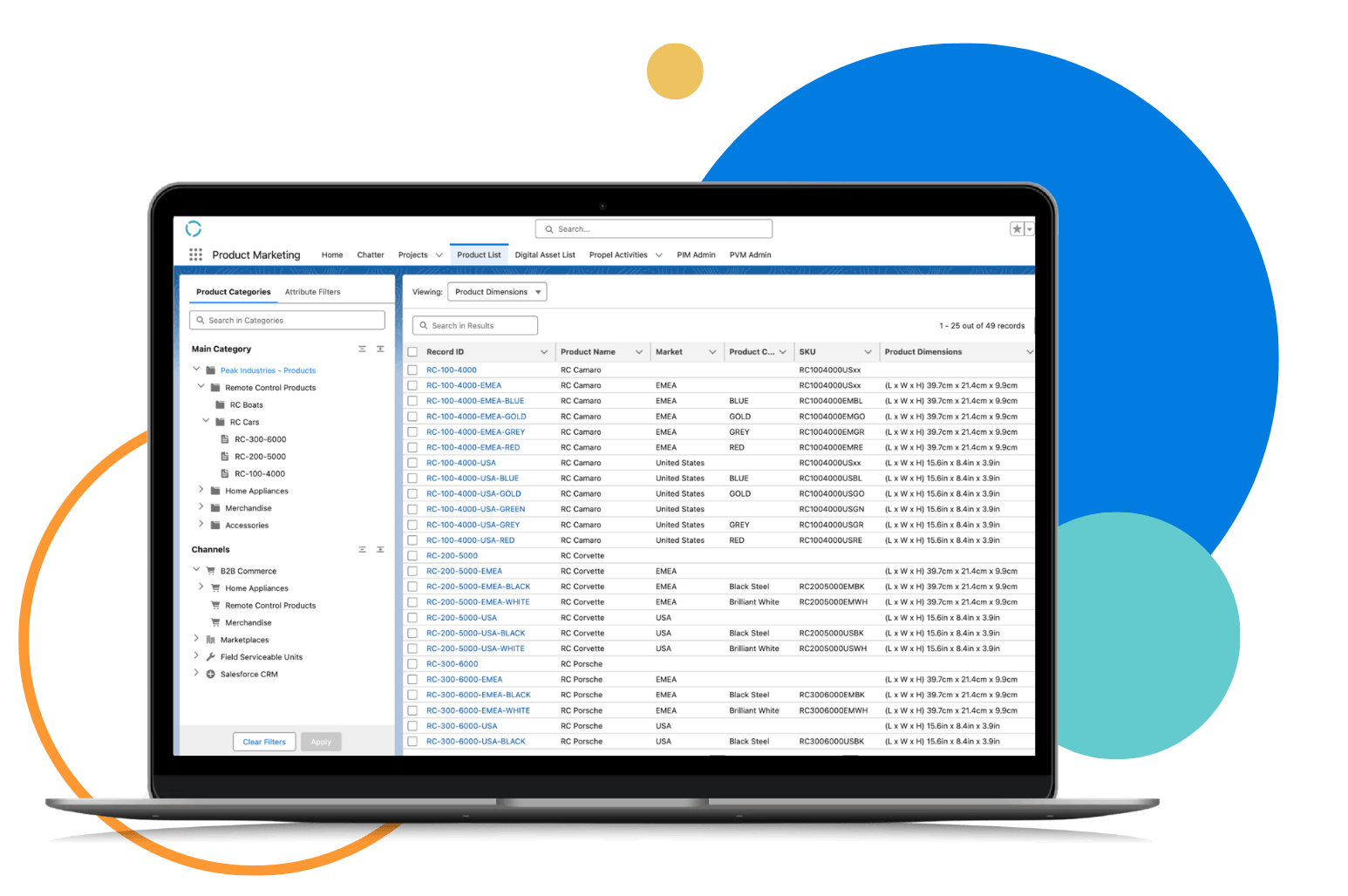
Propel's flexible category hierarchy connects engineering and commercial product data on a single platform. Admins configure parent-child structures such as Parts > Electrical > Capacitor, assign category-specific attribute groups, and manage alternate hierarchies per channel, so every classification decision scales without duplication or drift.
Classification-to-Channel Distribution
Once products are classified and enriched in Propel PIM, category configurable attributes drive channel-specific content distribution. Marketers customize messaging per buyer, sellers see the full classified portfolio, and the unified product thread ensures everyone is working from the same source of truth.
learn more
AI-Accelerated Enrichment
Propel One's intelligent agents enrich product specs by category, generate descriptions from classification data, and create items in bulk when scaling new category structures. Governance guardrails keep every output grounded in real, current product data so teams enrich faster without sacrificing accuracy.
learn more
See Propel's unified platform in action
You already have the product data. See what becomes possible when it's all connected.
Take product tour
More Capabilities
SKU Variant Management
Multi-level parent-child relationships cascade a single root change to all downstream variant records. Teams can override attribute inheritance at any variant level, keeping size, color, and configuration variants aligned within their classified product family without manual updates.
Data Governance
Role-based permissions control who can author and edit classified product data. Automated approval workflows validate content before distribution, and a complete activity history gives teams the audit trail they need to track every classification change.
Product Data Aggregation
Propel PIM gathers product data from multiple source systems, including direct attribute mapping from PLM, through a configurable bulk importer. Teams build and maintain classification structures from a single authoritative source instead of reconciling data manually across systems.
Category-Specific Attributes
Admins organize unlimited category-specific attributes into named, ordered groupings so product teams can find and maintain classification data efficiently. Each grouping is tied directly to a category, keeping attribute sets clean and relevant as the product portfolio expands.
Enrichment Engine
Configure attributes by category and channel to ensure completeness of product data across every classification level. Content composer shortcuts reduce repetitive data entry and costly errors, so enrichment teams work faster without sacrificing accuracy or consistency.
Concept To Customer Solutions for Fast-Moving Product Companies
Propel PIM
Product information management unites sales and marketing teams with real-time engineering data so they can engage customers with accurate content in every channel.
how it works
Propel PLM
Cloud-native, role-based, and easy-to-use product lifecycle management enables enterprise-wide collaboration so teams work smarter, faster, and better together.
how it works
Propel One
Natively integrated agentic AI automates workflows, surfaces insights, and accelerates every team across PLM, QMS, and PIM from concept to customer.
how it works
AMS Technologies: New Products Live in Under 1 Minute
View All Customer Stories
Speeding new product setup with 30,000 components
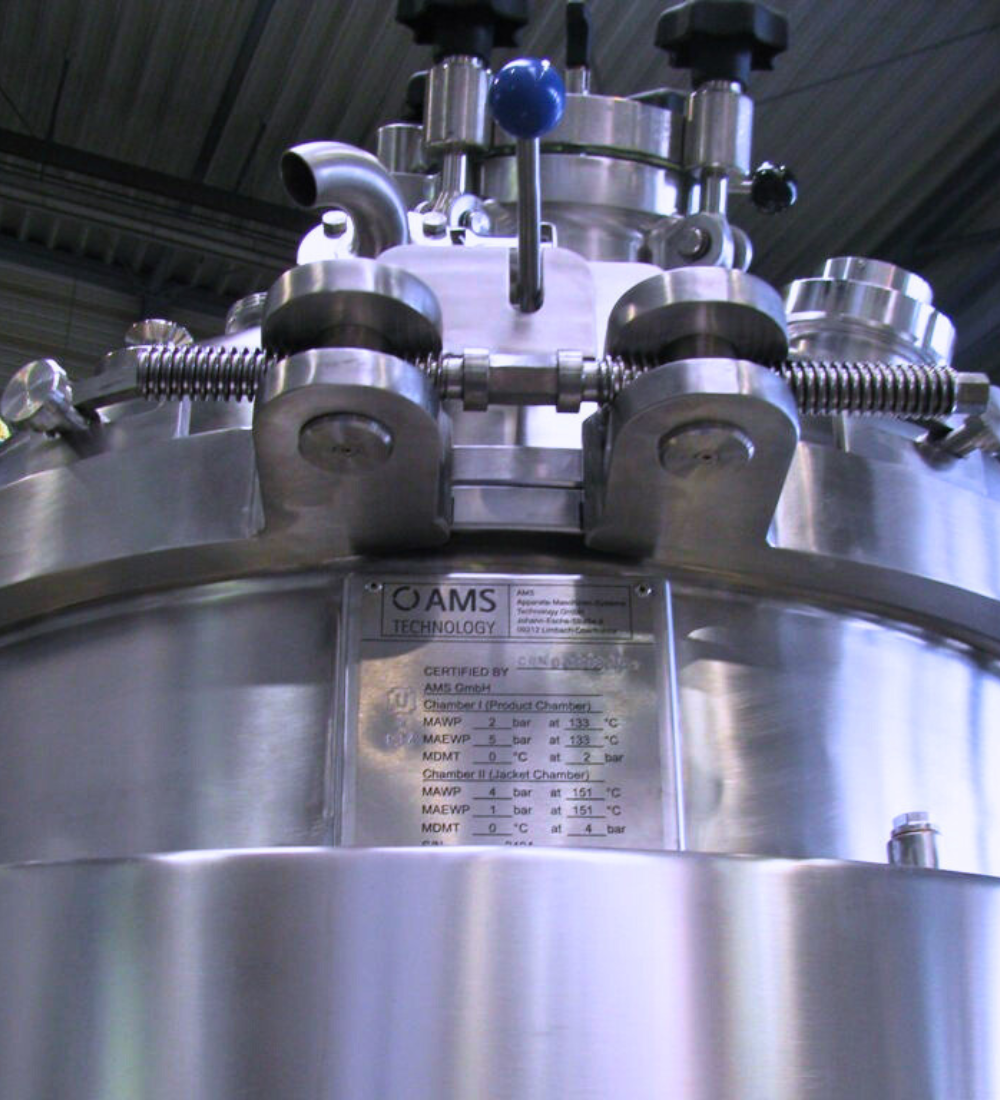
AMS Technologies connected Propel PIM to Propel PLM to define product attributes across categories for 30,000 components, eliminating manual data re-entry across systems. The result was new product setup in under one minute from a centralized classification source of truth.
see their story
View All Customer Stories
FAQ
How does Propel handle product classification across multiple sales channels?
Propel PIM supports alternate category hierarchies, so teams can organize the same products differently for each sales channel without duplicating records. Category-specific attributes by category/channel and enrichment rules ensure each channel receives complete, accurate data tailored to its format and audience requirements. Explore Propel PIM.
Can engineering and marketing teams share the same classification structure in Propel?
Yes. Propel's unified product data model connects PLM and PIM on a single platform, so the category hierarchies and attributes that engineers define flow directly into marketing enrichment workflows. Role-based permissions control who can edit which attributes, keeping classification data accurate and governed across both teams without creating separate, disconnected catalogs. Learn more.
How quickly can a team implement product classification capabilities in Propel?
Propel PIM, with its essential product classification, enrichment, and content activation capabilities, can be implemented in as little as six weeks. The platform's flexible data model adapts to existing category structures, so teams do not need to rebuild their catalog architecture from scratch before going live. Learn more.